Silver May Shine More Than Gold
Gold stayed in the spotlight for the last few years because investors wanted safety during global uncertainty. Many central banks also bought large amounts of gold, which pushed prices higher. But now, many market experts believe silver may perform even better than gold in 2026 and 2027.
Silver often follows gold during precious metal rallies, but it usually moves faster once momentum builds. This happens because silver has a smaller market and stronger price swings. When investor interest rises, silver prices can jump quickly in a short time.
Experts believe the next two years may create the perfect setup for silver because of industrial demand, lower interest rates, and growing investor attention.
The Gold-to-Silver Ratio Still Looks Very High
One major reason behind the bullish silver outlook is the gold-to-silver ratio. This ratio measures how many ounces of silver equal one ounce of gold.
The long-term average usually stays near 50 to 60. During times of fear or economic stress, the ratio climbs much higher because investors rush toward gold first. In strong silver markets, the ratio often falls sharply.
At present, many analysts believe the ratio still looks high compared to historical levels. This creates room for silver to catch up with gold.
For example, if gold price stays near $3,000 and the ratio drops from 100 to 75, silver price may rise from $30 to $40. That means silver could gain around 33% even without any rise in gold price.
This possibility attracts many traders and long-term investors.
Silver Has Both Investment and Industrial Demand
Gold mainly acts as a safe-haven asset and store of value. Silver also acts as a precious metal, but it has another major advantage. Many industries need silver for daily production.
Silver plays a major role in solar panels, electric vehicles, power systems, semiconductors, medical equipment, and electronics. As countries continue to focus on clean energy and modern technology, silver demand may continue to grow strongly.
Solar energy alone uses huge amounts of silver every year. Governments around the world continue to spend large funds on renewable energy projects, which may support silver demand for many years.
Electric vehicle production also needs silver because the metal conducts electricity very efficiently. Modern electronic products depend heavily on silver as well.
Because of this, silver receives support from two different sides. Investors buy silver for protection and wealth preservation, while industries buy silver for manufacturing and technology.
This combination may create strong upward pressure on prices during 2026 and 2027.
Supply Problems Could Support Higher Prices
Demand for silver may rise strongly, but supply growth remains limited. This is another important reason why experts expect higher prices in the future.
Many mining companies spent fewer funds on new silver projects during the last decade. Some mines now produce lower-quality ore, while production costs continue to increase because of labor expenses, energy prices, and environmental regulations.
Another important point is that a large amount of silver comes from mines that mainly produce other metals such as copper, zinc, or lead. This means silver production does not rise quickly even when silver prices move higher.
If industrial demand rises while supply remains tight, the market may face a shortage. In such situations, prices often climb rapidly.
Several industry reports already show structural silver deficits in recent years. This means global demand already exceeds supply in some periods.
Lower Interest Rates Could Help Precious Metals
Many investors expect central banks to reduce interest rates during 2026 if economic growth slows. Lower rates often help precious metals because borrowing becomes cheaper and more liquidity enters financial markets.
When interest rates fall, investors usually search for assets that can protect value against inflation or currency weakness. Gold and silver often benefit during such periods.
A weaker US dollar may also support silver prices because precious metals usually move in the opposite direction of the dollar.
Silver tends to react more aggressively than gold during strong rallies. Gold usually moves first, while silver often follows later with faster gains. This pattern appeared in several previous commodity cycles.
Because of this, some traders call silver a “high-beta” version of gold.
Silver Market Is Much Smaller Than Gold Market
The silver market is far smaller than the gold market. This creates larger price swings because smaller amounts of money can move prices sharply.
When investor demand increases, silver prices can rise very fast. During strong precious metal rallies in the past, gold sometimes rose 20% to 30%, while silver jumped 50% to 100% in the same period.
However, this also means silver can fall sharply during weak markets. Investors should prepare for volatility because silver rarely moves in a straight line.
Short-term corrections may appear even during long-term bull markets.
Risks Investors Should Remember
Even though silver has strong potential, risks still exist.
A global recession may reduce industrial activity and weaken silver demand. High interest rates may also hurt precious metals because investors move money toward bonds or cash.
A strong US dollar could place pressure on silver prices as well. Financial market panic may also create sudden selling pressure across commodities.
Because silver remains more volatile than gold, investors should avoid panic during short-term price swings.
Long-term investors usually focus on overall market trends rather than daily price movement.
Different Ways to Invest in Silver
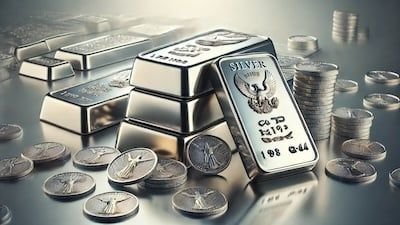
Many people prefer physical silver such as coins and bars. Physical ownership removes counterparty risk and gives direct control over the asset. However, storage and security become important concerns.
Some investors choose silver ETFs because they offer easier access through stock markets. Popular examples include SLV and SIVR.
Others invest in silver mining companies such as Pan American Silver, First Majestic Silver, and Wheaton Precious Metals. Mining stocks sometimes rise faster than silver itself during strong bull markets, but company-specific risks also become higher.
Each option comes with different levels of risk and reward.
What Could Trigger a Big Silver Rally?
Several factors together may start a major silver rally during 2026 and 2027.
Gold may continue to stay strong if global uncertainty remains high. Central banks may reduce interest rates, which could support precious metals further. A weaker dollar and improving industrial activity may also increase demand.
At the same time, retail investors may return to commodity markets after seeing rising prices. If the gold-to-silver ratio starts falling quickly, silver may move sharply higher within a short period.
This combination could create one of the strongest silver rallies in many years.
ALSO READ: The Best Monthly Income ETFs in 2026
Final Thoughts
Silver may outperform gold during 2026 and 2027 because of strong industrial demand, limited supply growth, and possible support from lower interest rates.
The metal stands in a unique position because it works both as an industrial commodity and a precious metal. This gives silver multiple sources of demand at the same time.
If gold remains strong and the gold-to-silver ratio falls, silver prices may rise much faster than many investors expect.
Still, silver remains highly volatile. Investors should stay prepared for large swings while focusing on long-term trends.
FAQs
Why do experts expect silver to rise faster than gold?
Experts believe silver may outperform gold because silver has both industrial demand and investment demand. This creates stronger growth potential during economic recovery.
What is the gold-to-silver ratio?
The gold-to-silver ratio measures how many ounces of silver equal one ounce of gold. A high ratio often suggests silver looks cheaper compared to gold.
Why does industry need silver?
Silver plays an important role in solar panels, electronics, electric vehicles, semiconductors, and medical equipment because of its excellent electrical properties.
Is silver more risky than gold?
Yes. Silver prices usually show larger ups and downs than gold prices. This creates higher profit potential but also higher risk.
What are common ways to invest in silver?
Investors usually buy physical silver, silver ETFs, or shares of silver mining companies depending on their risk level and investment style.
ALSO READ: How Interest Rates Affect Your Trades – Market Insiders