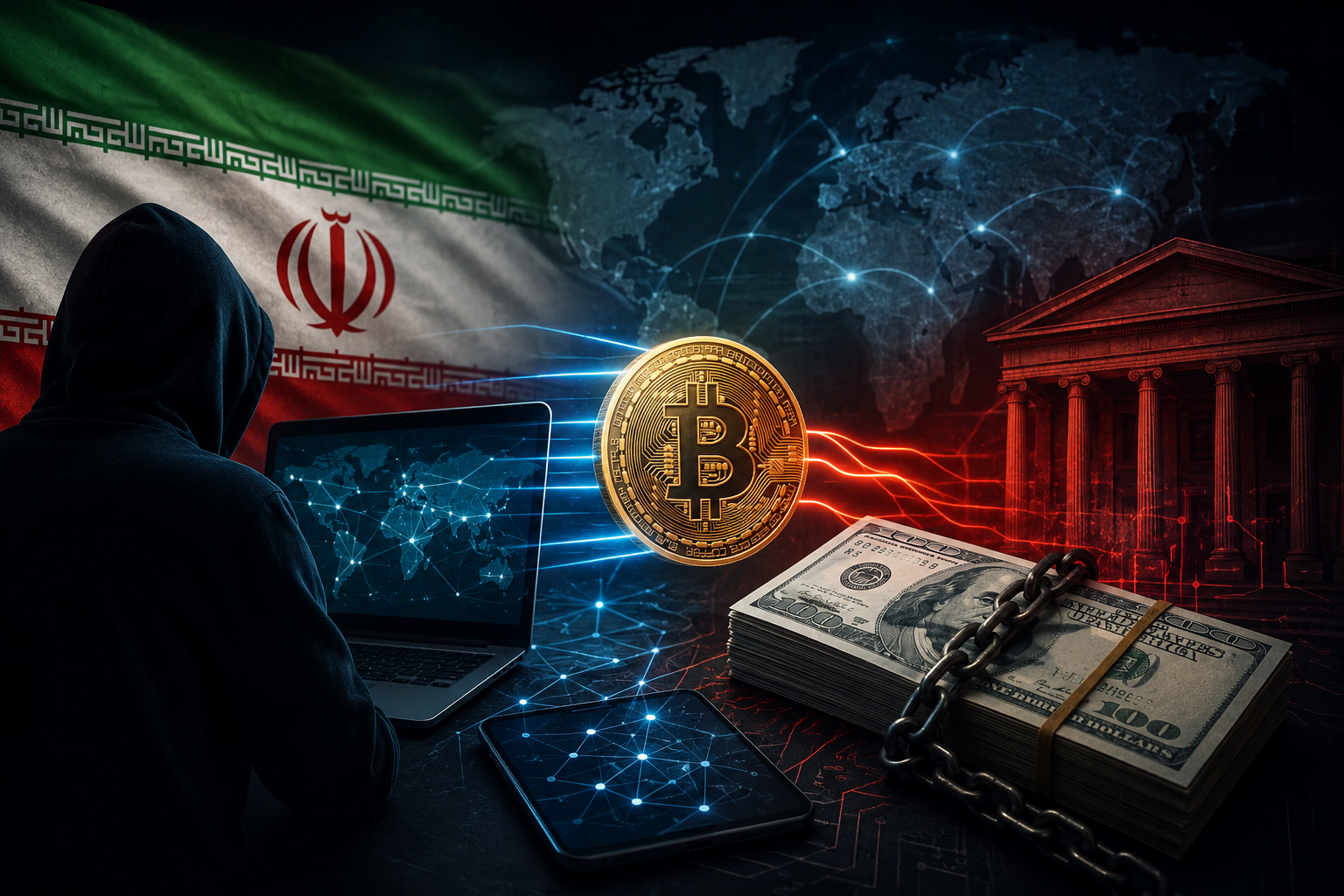
A major investigation has revealed that Iran secretly moved around $3.84 billion through cryptocurrency over the last several years. The money reportedly passed through a crypto exchange called CoinEx, which has now become the center of global attention.
This report has created serious concern among governments, financial experts, and people who follow the crypto market. The reason is simple. It shows how cryptocurrency can help countries avoid international sanctions and move money outside the normal banking system.
What makes this story even bigger is that investigators also found links between these money transfers and one of the largest crypto thefts ever recorded.
This is no longer just a story about digital money. It has now become a global security issue.
How Investigators Found the Secret Transfers
The investigation came from reports published by major financial journalists along with blockchain research firm TRM Labs. According to the findings, entities connected to Iran moved more than $3.84 billion through CoinEx over nearly seven years.
Researchers tracked thousands of crypto transactions and studied wallet addresses connected to Iranian financial networks. They found large amounts of money moving quietly through the exchange without much public attention.
The report suggests that Iran used cryptocurrency as an alternative system to move funds internationally while facing strict economic sanctions from the United States and other Western countries.
Since traditional banks often block such transactions, crypto became a possible solution.
Why Iran Needed Crypto So Much
For many years, Iran has faced heavy financial sanctions. These restrictions make it very difficult for the country to use the global banking system.
One major banking network called SWIFT helps countries send money worldwide. Due to sanctions, Iran has limited access to this system.
Because of this, moving money through regular banks became extremely difficult.
Cryptocurrency changed the situation. Digital currencies allow people and organizations to send money directly through blockchain networks without depending on banks.
According to the investigation, Iran may have used this system to continue moving large amounts of money around the world without relying on traditional finance.
This gave Iran access to global liquidity despite international restrictions.
The Link to a Massive Crypto Theft
One part of the investigation shocked the crypto industry even more.
Researchers found wallet activity connected to the famous Bybit crypto hack, where hackers stole nearly $1.5 billion. This remains one of the biggest crypto thefts in history.
Investigators traced the stolen funds through several blockchain wallets. During this process, they discovered that some of the money eventually reached addresses connected to Iranian networks.
The trail reportedly looked something like this.
Hackers first stole the money from Bybit. The stolen crypto then moved across several digital wallets. After multiple secret transfers, investigators found links to wallets connected with Iranian entities. From there, some funds entered the CoinEx system and later spread into the wider crypto market.
This discovery raised even bigger questions about how stolen crypto moves across international borders.
The North Korea Connection
Another major part of the story involves North Korea.
Security researchers believe the Bybit theft connects to Lazarus Group, a well-known hacking organization that many governments believe operates with support from North Korea.
Lazarus Group has faced accusations in the past for stealing cryptocurrency from exchanges across the world. The group allegedly uses these thefts to help fund North Korea’s economy.
Because some stolen funds reportedly later reached Iranian-linked wallets, the investigation now connects two heavily sanctioned nations in one financial network.
This possibility has created serious concern among international regulators.
It suggests that crypto may now play a role in secret cooperation between countries facing economic restrictions.
Why CoinEx Became the Main Focus
CoinEx now stands at the center of the investigation.
TRM Labs found that around $2.7 billion moved specifically between CoinEx and Nobitex, which is considered Iran’s largest crypto exchange.
Researchers also discovered that more than 60 Iranian crypto platforms had financial exposure with CoinEx over time.
This means CoinEx may have become one of the main gateways that helped Iranian crypto businesses reach the wider global market.
The report also claims that some wallet activity had links to sanctioned organizations connected with Iran’s Islamic Revolutionary Guard Corps.
Because of these findings, many experts now question how much monitoring took place on the exchange.
The case has opened fresh debate about whether crypto exchanges are doing enough to stop illegal financial activity.
CoinEx Denies All Wrongdoing
CoinEx has strongly denied the accusations.
The exchange stated that it had no commercial relationship with the Iranian government or any state-controlled organizations.
Company representatives also said they have started reducing business activity connected to Iran.
CoinEx challenged the conclusions made by TRM Labs and disagreed with parts of the investigation.
Despite the denial, the report continues to attract global attention because of the massive amount of money involved.
Many people now wait to see whether regulators will begin a deeper investigation.
Why Governments Are Worried
This story highlights a growing concern around cryptocurrency.
Unlike traditional banking, crypto transactions can move directly between digital wallets across borders. This makes monitoring far more difficult.
Countries under sanctions may use digital assets to avoid restrictions and continue moving money internationally.
Experts say governments worry about several crypto tools.
Stablecoins allow users to store value outside banks. Peer-to-peer transfers allow direct payments between users. Mining operations can generate new digital assets. Offshore exchanges can operate beyond strict regulations.
Together, these systems create an alternative financial network outside traditional control.
This creates serious challenges for regulators in the United States and Europe.
The Bigger Meaning Behind This Story
At first glance, this may look like another crypto crime story.
But the reality is much bigger.
This case connects state-backed hacking, stolen digital assets, sanctions evasion, exchange compliance concerns, and national security risks.
It also shows how cryptocurrency has moved far beyond simple investing and online trading.
Digital assets now play a role in global politics and international conflict.
The combination of North Korean hacking activity, Iranian financial networks, and billions of dollars moving quietly through crypto exchanges has raised serious questions about the future of blockchain regulation.
This investigation may become one of the most important crypto stories of 2026.
More importantly, it reminds the world that cryptocurrency is no longer just about technology.
It has now become part of modern geopolitical warfare.
ALSO READ: Apple Raises Mac and iPad Prices Due to Chip Shortage