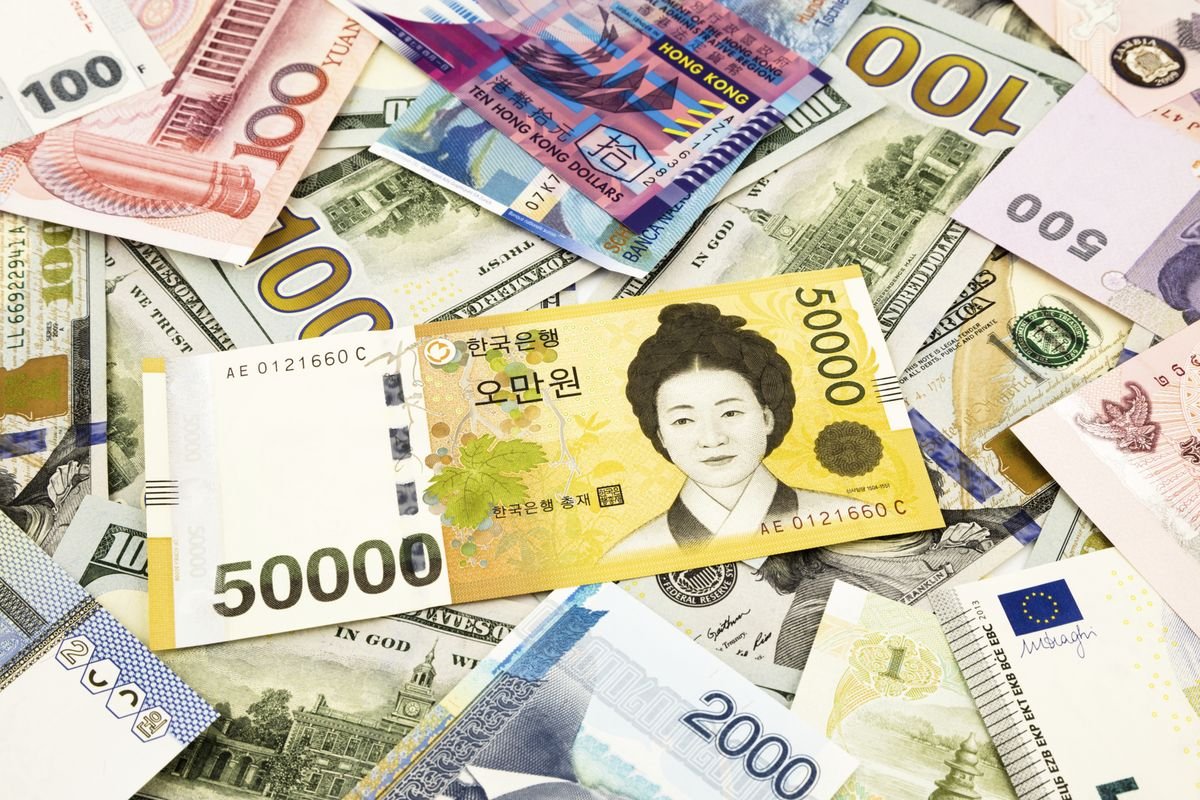
South Korea has taken a major step in its financial market. On July 6, 2026, the country officially started 24-hour trading for the South Korean won against the US dollar. This is an important change for one of Asia’s largest economies.
Before this move, trading in the won mainly took place during local market hours. Investors from other parts of the world had only a limited time to buy or sell the currency. That often made trading less convenient, especially for people and businesses outside South Korea.
With the new system, the won can now trade throughout the day and night. This gives market participants more flexibility and allows them to react to global events without waiting for the next business day in Seoul.
Experts believe this decision could make the South Korean currency more active in the international foreign exchange market.
What 24-Hour Trading Means
Twenty-four-hour trading means the South Korean won can now trade almost all day without long breaks. Buyers and sellers have more opportunities to enter the market whenever they need.
The foreign exchange market already operates across different financial centers around the world. As one market closes, another market opens. This creates continuous activity for many major currencies.
By allowing the won to trade through this global cycle, South Korea has brought its currency closer to the way other important international currencies operate.
This change makes it easier for traders in Europe, North America, the Middle East, and other regions to buy or sell the won at a suitable time.
Why South Korea Made This Decision
South Korea wants to make its financial market more competitive.
Many international investors prefer currencies that remain available for trading throughout the day. Limited market hours can reduce interest because investors may not have enough time to react to sudden global events.
The government believes longer trading hours will make the won more attractive to banks, investment firms, multinational companies, and currency traders.
Officials also hope the new system will help South Korea build a stronger position in the global financial system.
The decision reflects the country’s long-term plan to modernize its financial markets and improve access for international investors.
Better Liquidity for the Currency Market
One of the biggest goals behind this move is stronger market liquidity.
Liquidity refers to how easily buyers and sellers can complete transactions without large price changes.
When more people trade a currency, it usually becomes easier to buy or sell at a fair market price. Large transactions also become smoother because enough buyers and sellers remain available.
Twenty-four-hour trading may encourage greater participation from financial institutions around the world. More market activity can improve liquidity and create a more efficient foreign exchange market.
Experts believe this could help reduce sudden price swings during periods of heavy trading.
Easier Access for Global Investors
International investors often work across several time zones.
Under the previous system, many investors had to wait until South Korean markets opened before they could trade the won. This sometimes caused delays after major economic news or unexpected global events.
The new schedule removes much of that limitation.
A bank in London, an investment company in New York, or a financial institution in Singapore can now access the market during hours that better match their own business operations.
This greater flexibility may encourage more global participation in South Korea’s currency market.
Businesses Could Benefit from the Change
Many companies do business with South Korea every day.
Businesses that import products from South Korea often need South Korean won to complete payments. Exporters also exchange won for other currencies after they receive payment from overseas customers.
With twenty-four-hour trading, these companies have more choices about when they complete currency transactions.
They no longer depend only on South Korean business hours. This flexibility may help companies respond more quickly to market changes and manage currency costs more effectively.
Large international businesses may especially welcome this improvement because they operate across different regions every day.
Faster Response to Global News
Financial markets react quickly to important news.
Economic reports, central bank decisions, political events, or unexpected global developments can influence currency prices within minutes.
Before the new system, traders sometimes had to wait until South Korean markets reopened before they could react.
Now they have the opportunity to respond much sooner.
This may help improve price discovery because market values can adjust as new information becomes available rather than after a long delay.
A market that reacts quickly often provides more accurate pricing for buyers and sellers.
Stronger Position in the Global Forex Market
The foreign exchange market is the largest financial market in the world.
Major currencies such as the US dollar, euro, Japanese yen, and British pound already enjoy broad international access.
South Korea wants the won to become more competitive within this global environment.
Longer trading hours may help increase international confidence in the currency.
As more investors become familiar with the won, daily trading volume could grow over time.
Higher activity may also encourage additional financial products that use the South Korean currency.
Although this change will not transform the market overnight, experts believe it represents an important step toward greater international recognition.
Banks and Financial Firms Welcome the Move
Banks and financial institutions play a central role in the foreign exchange market.
Many global banks serve customers across multiple countries and time zones.
Twenty-four-hour access allows these institutions to provide faster service to clients who need currency exchange outside normal South Korean business hours.
Investment firms may also benefit because they can adjust their positions more quickly after important market developments.
This additional flexibility could improve overall market efficiency.
Many experts believe stronger participation from large financial institutions will support the long-term success of the new trading system.
Challenges May Still Remain
Although the new system offers many advantages, it also brings new responsibilities.
Financial institutions must maintain reliable trading systems throughout the day.
Market supervision must continue across longer operating hours to support fair and orderly trading.
Banks and brokers may also face higher operating costs because they need staff and technology for extended market access.
Even with these challenges, many experts believe the long-term benefits outweigh the additional costs.
As market participation grows, the system may become more efficient and attract greater international interest.
What This Means for the Future
The launch of twenty-four-hour trading marks an important milestone for South Korea’s financial market.
The country has shown its commitment to creating a more open and internationally connected currency market.
If the new system succeeds, the South Korean won could attract more investors, stronger trading activity, and greater global recognition.
Higher liquidity, better access, and faster market response may all support this goal.
Although results will take time to appear, the decision reflects South Korea’s ambition to strengthen its place in the global foreign exchange market.
As of July 6, 2026, the country has officially entered a new phase for its currency market. Investors, banks, businesses, and financial experts around the world will now watch closely to see how this important reform shapes the future of the South Korean won.
Also Read – India and Australia Set for Major Uranium Supply Deal