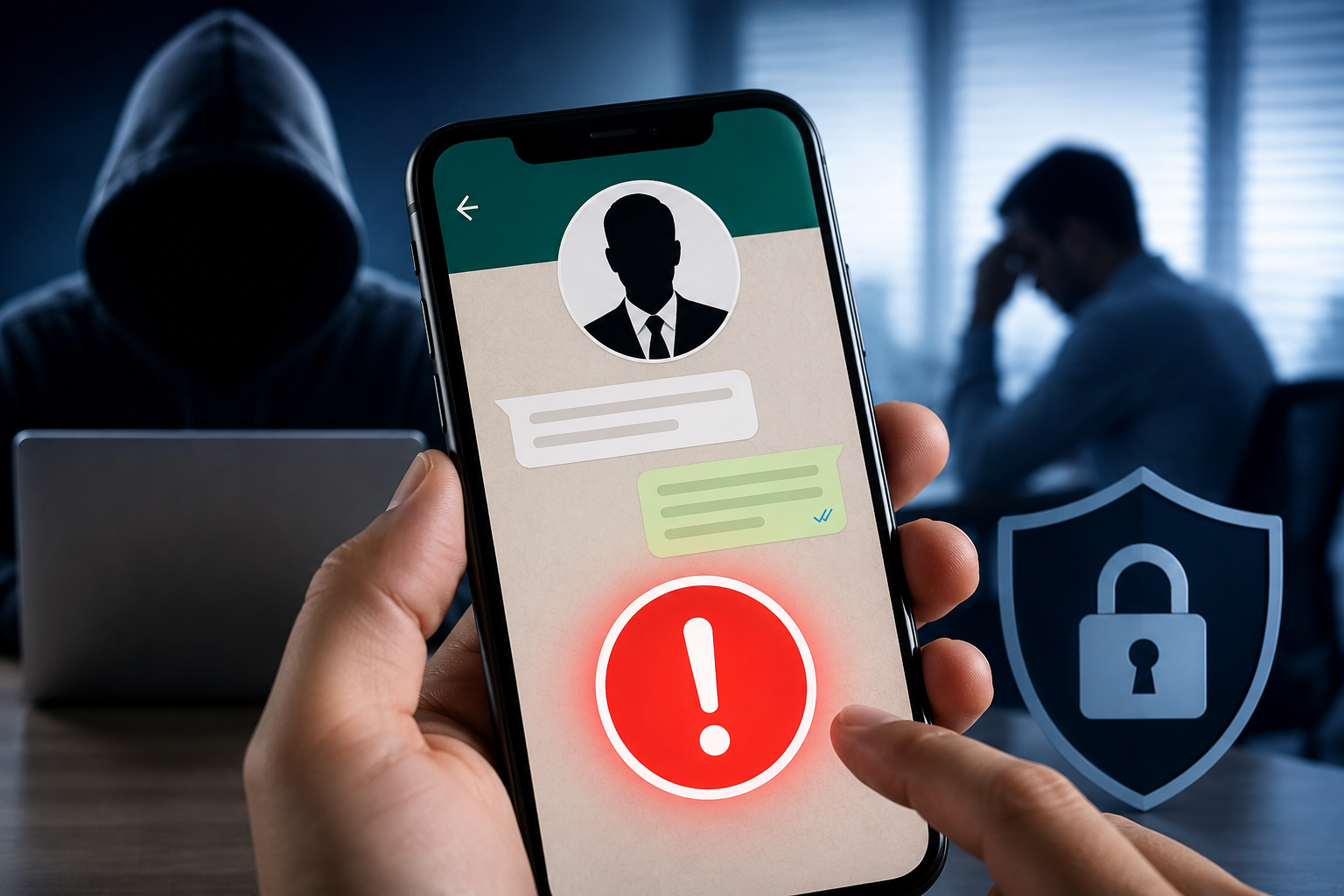
The Securities and Exchange Board of India (SEBI) has issued a fresh warning about a cyber fraud that has become a serious concern for businesses across the country. The fraud is known as the “Boss Scam.” In this scam, criminals pretend to be senior company officials and send urgent messages to employees. These fake messages often ask for money, confidential company details, or other sensitive information.
SEBI shared this alert after it received information from the Indian Cyber Crime Coordination Centre (I4C). The agency has noticed a rise in such attacks against listed companies and other organisations under SEBI’s supervision. The regulator wants companies and employees to stay alert because these scams can lead to heavy financial losses and the theft of important business data.
What Is the Boss Scam?
The Boss Scam is a type of cyber fraud where criminals act like a company’s top executive. They may pretend to be the Chief Executive Officer (CEO), Managing Director (MD), Chief Financial Officer (CFO), or another senior leader. The goal is simple. They want an employee to trust the message and act without asking questions.
The message usually creates a feeling of urgency. It may say that an important payment must happen immediately. It may also ask for confidential documents or private company information. Since the message appears to come from a senior official, many employees feel pressure to obey the request without delay.
This fake sense of urgency is one of the main reasons why the scam succeeds.
WhatsApp Is One of the Main Tools
According to SEBI, WhatsApp is one of the most common platforms used for this fraud. However, criminals do not depend on WhatsApp alone. They also use Microsoft Teams, email, and social media platforms to contact employees.
The messages often look professional and convincing. In some cases, the fraudster even uses the name and photo of a real company executive. This makes the fake message appear genuine, especially to employees who have never spoken directly with the executive before.
As a result, many people fail to notice the warning signs until it is too late.
Finance Teams Face the Biggest Risk
Although any employee can become a target, criminals often focus on finance, accounts, and treasury teams. These departments usually have the authority to approve payments or transfer company funds.
The fraudster may ask for an urgent bank transfer and claim that the matter is highly confidential. The message may also tell the employee not to discuss the request with anyone else.
This approach creates pressure and limits the chance of verification. If the employee follows the instruction without confirmation, the money may reach the criminal’s account within minutes.
Some Attacks Use Malware
SEBI has also warned that some criminals use malware as part of the attack. Malware is harmful software that enters a device through fake files or suspicious links.
Once the malware enters the system, it can take control of active WhatsApp Web sessions or collect personal information from the device. In some cases, criminals can even send messages from the victim’s real WhatsApp account.
This makes the fraud even more dangerous because the message comes from a trusted account instead of a fake one.
AI Has Made These Scams More Convincing
Modern technology has made cyber fraud more advanced. According to SEBI, some criminals now use artificial intelligence to make their scams appear more real.
They can create fake voice calls that sound like a company executive. Some also use manipulated video calls or stolen accounts to gain the trust of employees.
Because of these methods, it has become much harder to tell the difference between a real request and a fake one. Employees must stay careful even if a message or call appears genuine.
Why SEBI Issued This Warning
SEBI wants listed companies and regulated entities to understand that this threat is no longer rare. Reports from the Indian Cyber Crime Coordination Centre show that executive impersonation scams have become more common.
The regulator believes that awareness is one of the best ways to reduce the risk. If employees know how these scams work, they are less likely to become victims.
The warning also reminds organisations that strong internal checks remain important, even when a request appears to come from the highest level of management.
How Employees Can Stay Safe
SEBI has advised employees not to transfer money based only on instructions received through WhatsApp, Microsoft Teams, email, or social media. Every payment request should go through the company’s normal approval process.
If a message asks for an urgent transfer, the employee should contact the executive through a trusted phone number or another verified method before any action. A quick conversation can stop a major financial loss.
Employees should also avoid suspicious files, unknown links, and unexpected attachments because these may carry malware. Regular software updates and security tools can also help protect company devices.
People who use WhatsApp Web should close inactive sessions after use. This simple habit can reduce the risk of account misuse.
Companies Also Have a Major Role
Business owners and company leaders must create a workplace where employees feel comfortable asking questions. Staff members should never feel afraid to verify an unusual request, even if it appears to come from the CEO or another senior executive.
Regular cyber security awareness sessions can help employees recognise common fraud methods. Clear payment approval rules can also reduce the chances of mistakes during high-pressure situations.
Companies that invest in employee awareness often have a better chance of stopping these attacks before any damage takes place.
A Simple Check Can Prevent a Big Loss
The Boss Scam depends on trust, fear, and urgency. Criminals want employees to believe that there is no time for questions. That is why a simple verification step can make a huge difference.
Before any payment or confidential information leaves the company, employees should confirm the request through an independent and trusted communication channel. This small action may save the organisation from financial loss, legal trouble, and damage to its reputation.
SEBI’s latest warning serves as an important reminder that cyber criminals continue to change their methods. As technology becomes more advanced, awareness and careful verification remain the strongest defence against these scams. Every employee has a role in protecting company money, sensitive information, and business operations.
Also Read – Government Keeps LTCG Tax on Equities, No Change Confirmed