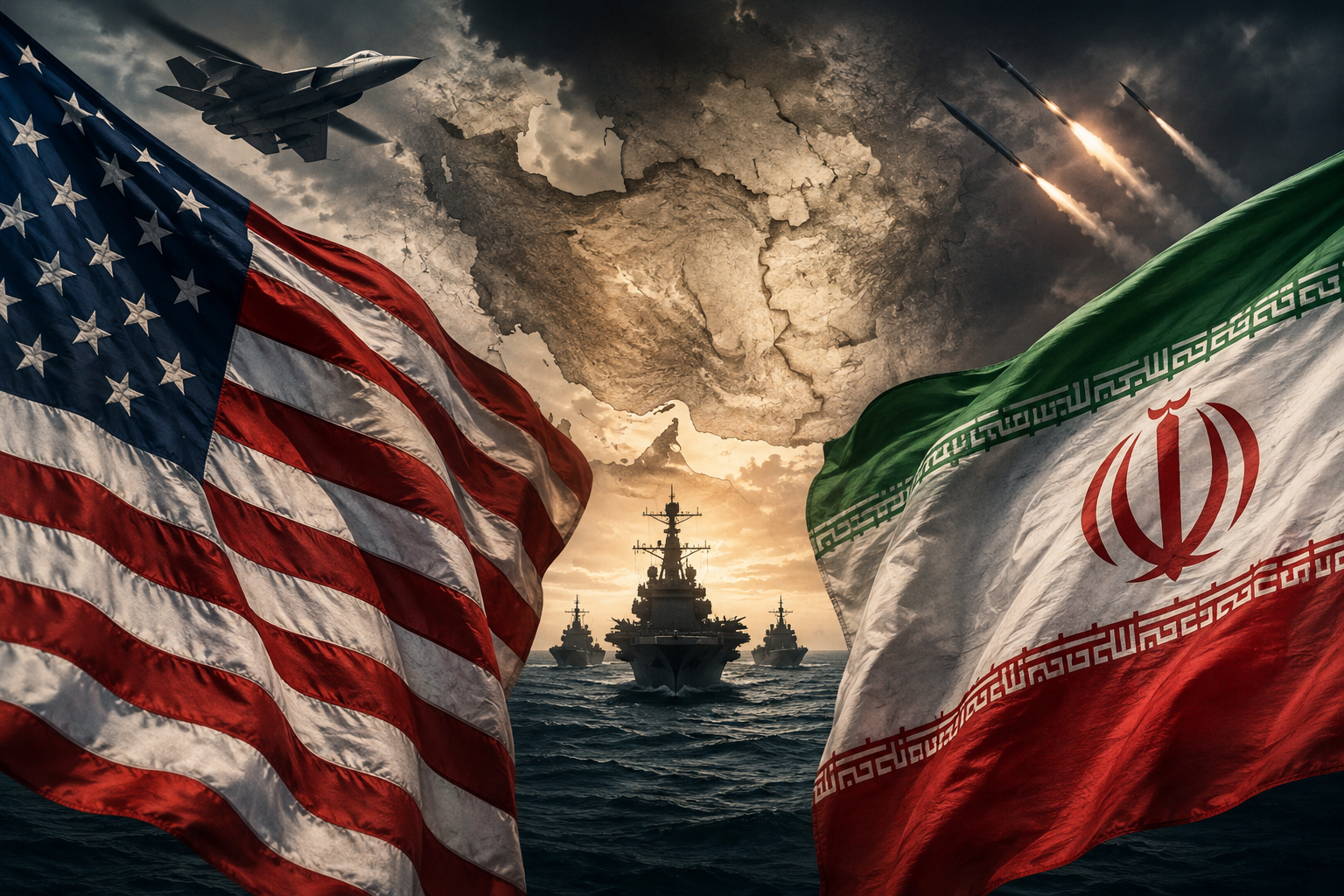
A new U.S. intelligence assessment says Iran will most likely keep its current position in talks with the United States, even after recent U.S. military action. According to the assessment, American officials do not expect Iran to relax its demands or make quick compromises because of military pressure. Instead, they believe both countries could face a long period of tension before they reach any meaningful agreement.
This assessment gives an important look at how U.S. intelligence experts view the current situation. It also shows that military action alone may not change the political decisions made by Iran’s leaders. Officials believe the road ahead will remain difficult, with diplomacy and security concerns moving side by side for a long time.
Military Pressure May Not Change Iran’s Position
The intelligence report suggests that Iran’s leaders are not likely to change their negotiating position simply because the United States used military force. U.S. officials believe Tehran sees such pressure as something it cannot easily accept without losing political strength at home and abroad.
For many years, Iran has said it wants talks to happen on terms that protect its national interests. Because of this, American intelligence experts think military action will not force Tehran to accept demands that it already rejected. Instead of quick progress, officials expect Iran to continue with its current strategy during future discussions.
This view does not mean diplomacy has failed. It simply means U.S. experts believe military pressure by itself will not bring fast results.
A Long Standoff Could Follow
One of the biggest points in the assessment is the possibility of a long standoff between the two countries. Intelligence officials believe the situation may continue for months instead of ending through a quick agreement.
Such a standoff could include continued sanctions, limited military exchanges, indirect diplomatic contacts, and careful political moves from both sides. Neither country may want a full-scale war, but both could continue to defend their own interests while avoiding major mistakes that could lead to a wider conflict.
Experts believe this slow and careful approach could become the main feature of relations between Washington and Tehran in the coming months.
Diplomacy Still Has a Role
Although the assessment predicts a difficult path, it does not suggest that negotiations have ended forever. Diplomacy still remains an important option for both countries.
Reports say that several international mediators continue efforts to keep communication open. These mediators hope both sides can return to serious discussions when the political environment becomes more favorable.
At present, however, neither Washington nor Tehran appears ready to make major concessions. Both governments continue to defend their own priorities while they watch each other’s next move.
Because of this, experts believe talks may continue slowly instead of producing an immediate breakthrough.
Why Intelligence Experts Hold This View
The U.S. intelligence community studies political decisions, military activity, economic conditions, and public statements before it reaches major conclusions. In this case, analysts believe Iran’s leadership wants to avoid any sign that outside military pressure can shape its national decisions.
Officials think Iranian leaders believe strong resistance helps protect their image both inside the country and across the region. If they suddenly changed their position after military action, it could weaken that image.
For this reason, intelligence experts expect Iran to continue with its present negotiating approach unless larger political or strategic conditions change.
Regional Risks Stay High
The assessment also points to continued security risks across the Middle East. A long standoff between the United States and Iran could increase pressure in several parts of the region.
Experts warn that shipping routes near the Strait of Hormuz could remain sensitive. The area plays an important role in global energy supplies, so any rise in tensions often attracts worldwide attention.
Officials also remain alert to possible actions from groups that have close ties with Iran. Such developments could affect U.S. partners and regional stability even if neither Washington nor Tehran wants direct large-scale military conflict.
Because of these concerns, governments across the region continue to watch every new development with great care.
Economic Effects Could Continue
Political uncertainty often affects global markets. Investors usually react quickly whenever tensions rise between the United States and Iran.
Oil prices may move higher if traders worry about possible disruptions to energy supplies or shipping routes. Businesses also pay close attention because uncertainty can affect investment decisions and future planning.
Although markets often recover after major events, experts say a prolonged standoff could keep uncertainty alive for an extended period.
No Quick Victory for Either Side
The intelligence assessment suggests neither country should expect an easy victory. Military action may send a political message, but it does not automatically produce diplomatic success.
Iran appears ready to continue with its current negotiating position, while the United States also continues its own security and diplomatic strategy. This creates a situation where both sides remain firm without reaching an immediate agreement.
As a result, experts expect slow progress rather than dramatic changes.
What Comes Next
Future developments will depend on political decisions made in both Washington and Tehran. International mediators may continue efforts to encourage fresh talks, but meaningful progress will require both sides to find common ground.
Until that happens, intelligence officials believe the present situation could continue. Diplomatic contacts may remain active behind the scenes, while public disagreements continue in front of the world.
The coming months will show whether either side decides to adjust its position or whether the current pattern continues.
Conclusion
The latest U.S. intelligence assessment paints a picture of patience rather than quick change. According to American analysts, Iran is unlikely to relax its negotiating position despite recent U.S. military action. Instead, officials expect a prolonged period of diplomatic and security tension before any major breakthrough becomes possible.
While military pressure remains part of the broader strategy, intelligence experts believe it will not be enough on its own to change Iran’s approach. Diplomacy still offers a possible path forward, but both countries appear determined to protect their own interests first. Until new political conditions emerge, the United States and Iran may remain locked in a lengthy standoff that continues to shape security, diplomacy, and economic discussions across the Middle East.
ALSO READ: S&P 500 Slips 0.19% as Investors Eye Tuesday Recovery Ahead