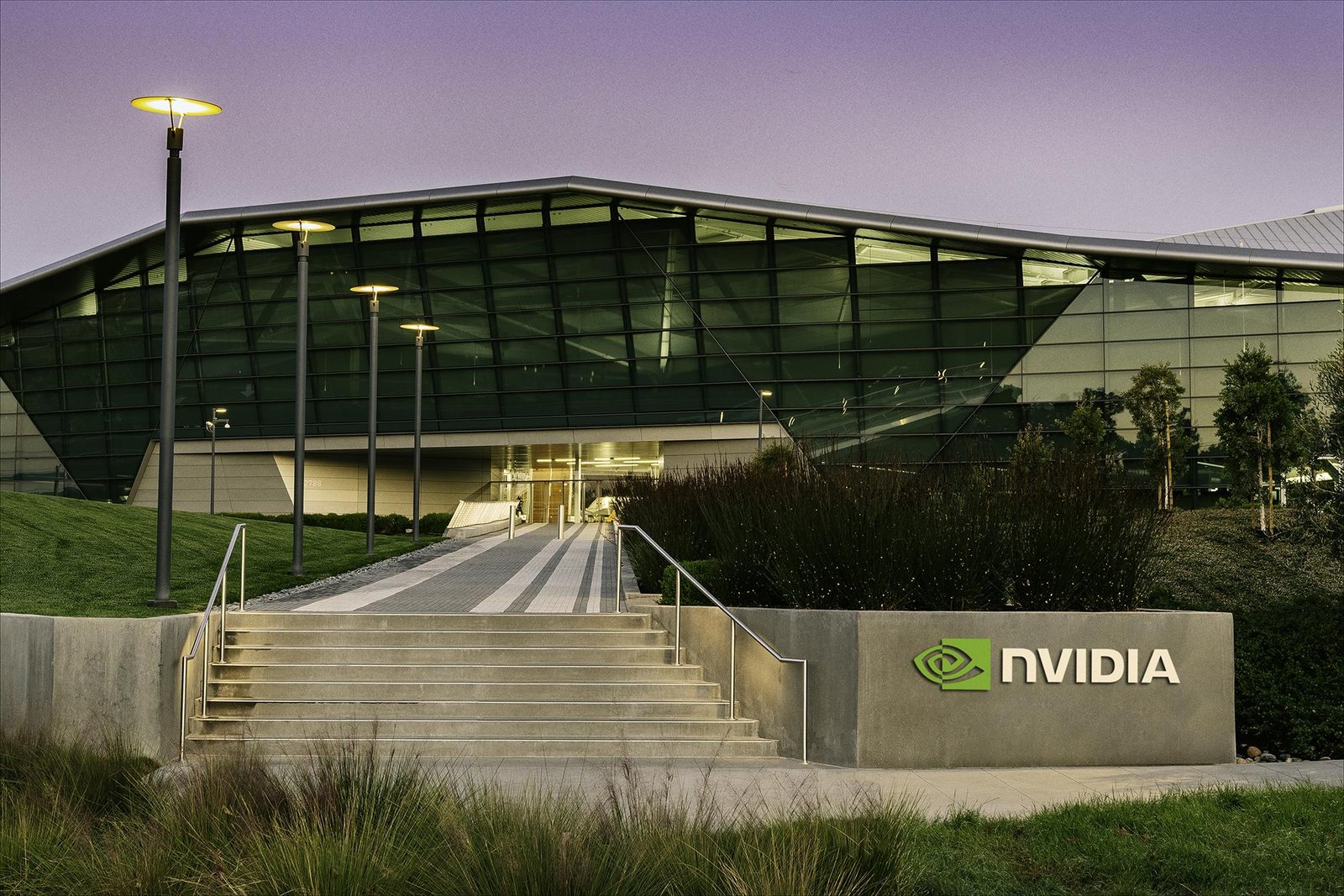
NVIDIA has become one of the most important names in the global technology industry. The company started with a strong focus on graphics chips, yet its role has changed far beyond computer graphics. Today, NVIDIA sits at the center of the artificial intelligence boom. Its GPUs power AI models, data centers, scientific research, robotics, gaming systems, and many other forms of advanced computing. That growth has also created a large number of career opportunities across hardware, software, artificial intelligence, networking, business, and technical support.
The latest NVIDIA Careers data shows 2,659 open positions across the company. These roles cover many areas, so a career at NVIDIA does not require a single type of technical background. Chip design, software development, AI, data centers, robotics, networking, sales, finance, operations, and technical program work all have a place inside the company.
For people who want to work at the center of AI hardware, NVIDIA offers one of the most valuable career paths in technology. The company operates at the point where computer chips, software, artificial intelligence, and large-scale computing meet.
NVIDIA Has More Than GPU Jobs
A common view of NVIDIA focuses only on GPU design. The current careers data shows a much wider picture. NVIDIA needs people who can work on the many layers that make modern AI systems possible.
Hardware roles cover areas such as ASIC physical design, ASIC verification, chip design, silicon power, server product engineering, and other parts of semiconductor development. These jobs can suit candidates with knowledge of digital logic, computer architecture, chip design, verification, physical design, and related fields.
Software also forms a major part of NVIDIA’s career base. The company needs software engineers who can work close to the hardware as well as developers who build larger systems. Current roles include GPU software, GPU compiler development, AI software, systems software, and other technical areas.
NVIDIA also has roles linked to networking and data center systems. Modern AI systems require far more than a powerful GPU. Large AI models need fast communication between thousands of processors, strong server systems, high-speed networks, and software that can manage huge amounts of computation. This creates opportunities for engineers with knowledge of distributed systems, networking, PCIe, servers, operating systems, and performance work.
Robotics adds another major career area. NVIDIA develops technology for robots, autonomous machines, and physical AI systems. This creates work at the intersection of artificial intelligence, computer vision, simulation, software, and hardware.
AI and Hardware Now Meet at NVIDIA
One of the clearest signals from current NVIDIA roles comes from the combination of AI and traditional hardware knowledge.
A current Pune role for a Senior Tools Development Engineer shows this direction. The position focuses on GPU software quality assurance and AI-based test automation. The role also calls for skills in Python, C#, GPU and CPU architecture, SoC systems, PCIe, and other PC interfaces.
This type of role shows how modern NVIDIA work can cross several technical areas at once. A candidate does not always need to choose between hardware and software. Strong knowledge across both areas can have real value.
This shift matters for people who plan a long-term career in AI technology. Artificial intelligence needs powerful hardware, yet that hardware also needs software, compilers, testing systems, networking, tools, and support infrastructure. NVIDIA works across this entire chain.
A strong career path can therefore come from deep knowledge in one area combined with a clear understanding of related technologies.
NVIDIA Has A Large Global Workforce
NVIDIA has also expanded its workforce at a rapid pace. Its FY2026 sustainability report states that the company had about 42,000 employees. Around 6,000 people joined the company during FY2026, with staff spread across 38 countries.
The same report provides another useful detail for future candidates. More than 40 percent of new hires in FY2026 came through employee referrals.
That figure gives a clear message about the value of professional networks at NVIDIA. A strong technical profile matters, yet contact with people inside the company can also have a major role in the recruitment process.
A referral does not replace the need for skills. It can, however, help a suitable candidate reach the right opportunity and receive more attention from the relevant team.
The NVIDIA Recruitment Process
NVIDIA describes its recruitment process through four broad stages: search and apply, interviews, preparation, and offer.
The company allows candidates to search its career portal and upload a résumé for possible job matches. NVIDIA also advises candidates to focus on around three to five roles that closely match their background instead of sending applications to a large number of unrelated positions.
This approach makes sense for a company with thousands of open jobs. Each team has different needs, and a résumé that fits one role may not fit another.
The interview process can vary by position and team. Technical roles can include coding tests, phone interviews, virtual interviews, and in-person interviews. NVIDIA states that candidates for full-time positions generally go through phone interviews followed by virtual or in-person interviews, although the exact process depends on the role.
Technical preparation remains important. NVIDIA says some technical coding interviews use HackerRank. The company also states that candidates cannot use unauthorized outside tools, including ChatGPT, during an interview. A violation can lead to disqualification.
This makes genuine technical knowledge especially important. Interview preparation should focus on problem solving, clear thinking, core technical concepts, and the ability to explain solutions in a simple way.
Skills That Matter for NVIDIA Hardware Roles
Hardware candidates need strong fundamentals. Computer architecture stands near the center of many NVIDIA hardware positions. Knowledge of digital logic, processors, memory systems, interfaces, and system architecture can create a strong base.
For ASIC roles, skills in Verilog and SystemVerilog can matter. Physical design roles require a different technical focus from verification roles, so the job description deserves close attention before any application.
ASIC verification also requires strong logic skills and an ability to understand complex hardware behavior. A candidate may need knowledge of verification methods, test systems, hardware design, and debugging.
Other positions can focus on server systems, silicon power, or hardware platforms. Each area has its own technical requirements, so a single preparation plan cannot cover every NVIDIA hardware job.
A focused approach works better. A candidate with a hardware background should select roles that match current skills and then prepare around those exact requirements.
Software Skills Can Open Another Path
Software offers another major route into NVIDIA.
C and C++ remain important for many low-level and performance-focused roles. Python also appears across many modern engineering positions. Candidates can also find opportunities in CUDA, compilers, operating systems, distributed systems, AI software, and developer tools.
GPU programming can provide a particularly strong connection to NVIDIA’s core technology. Knowledge of CUDA can help candidates understand how software uses NVIDIA GPUs for large-scale computation.
Compiler development provides another highly technical path. GPU compilers translate software into forms that can run efficiently on NVIDIA hardware. This field combines programming languages, computer architecture, optimization, and systems knowledge.
A strong software candidate does not need every one of these skills. Depth in one relevant area can matter more than shallow knowledge across many subjects.
AI Skills Have A Direct Role
Artificial intelligence remains central to NVIDIA’s business. AI and machine learning roles cover areas such as deep learning, model development, performance work, AI systems, and related software.
Yet NVIDIA’s AI career options go beyond model creation. AI systems need efficient hardware use, fast data movement, reliable software, testing, compilers, and large-scale infrastructure.
This creates opportunities for candidates who understand the connection between AI and computer systems.
Machine learning knowledge can become more valuable when paired with strong programming or systems knowledge. A candidate who understands both an AI model and the hardware that runs it can bring a different level of technical value.
Students and New Graduates Have A Route In
NVIDIA also maintains university and internship programs. Its university career programs cover fields such as architecture, chip design, software, machine learning, deep learning, sales, and marketing.
NVIDIA states that internships generally last at least 12 weeks. Such roles can offer an early path into the company and can help students gain experience with real technical work.
In India, NVIDIA also ran the N.Ex.T program in 2026. The program focused on exceptional engineering graduates and included hardware engineering opportunities.
For students, strong academic results can help, yet practical work can also make a major difference. Projects that show knowledge of computer architecture, digital design, CUDA, machine learning, compilers, or systems can give a résumé more substance.
A clear technical project can often tell a stronger story than a long list of courses.
Referrals Matter At NVIDIA
The FY2026 figure of more than 40 percent of new hires through employee referrals makes networking worth serious attention.
Professional contact can start through university events, technical conferences, open-source projects, research work, former colleagues, or direct contact with NVIDIA employees.
A useful connection should come from genuine technical interest rather than a simple request for a job. A discussion about a relevant project, technical field, or NVIDIA technology can create a more natural professional relationship.
A referral still needs a suitable role and a strong application. It does not guarantee an interview or an offer. Its value comes from helping a qualified candidate reach the right internal channel.
Preparation Should Match The Exact Job
NVIDIA has thousands of positions, yet each role can require a different skill set. Preparation should therefore start with the job description rather than with a broad attempt to learn every NVIDIA technology.
A hardware candidate can focus on architecture, digital logic, RTL, verification, physical design, and related subjects. A software candidate can focus on C++, Python, algorithms, operating systems, CUDA, compilers, or distributed systems based on the selected role.
AI candidates can focus on machine learning, deep learning, model performance, and AI systems. Networking candidates can focus on data center networks, high-speed communication, distributed systems, and related infrastructure.
The strongest preparation creates a direct link between the candidate’s skills and the requirements of the chosen position.
NVIDIA Also Needs Non-Engineering Talent
NVIDIA’s career opportunities do not stop at technical engineering. The company also has positions across sales, finance, operations, technical program management, business functions, developer relations, and solutions architecture.
This matters for professionals who understand technology but do not work as engineers.
Solutions architecture, for example, can require strong technical knowledge plus the ability to work with customers and explain complex systems. Developer relations can combine software knowledge with communication and community work. Technical program management can require technical understanding, organization, and coordination across teams.
As NVIDIA grows, these roles become important parts of the larger technology ecosystem.
Watch Out For Fake NVIDIA Recruiters
Job seekers should also take care with recruitment messages. NVIDIA warns about fake recruiters and false job offers.
The company states that legitimate recruitment messages come from @nvidia.com or @career.nvidia.com. Candidates should also check job details through the official NVIDIA Careers portal.
NVIDIA says it does not charge candidates upfront fees. Any request for money during a supposed recruitment process should therefore raise a serious warning.
The safest route starts with the official careers site and a job listed there.
What Makes NVIDIA A Special Career Target
NVIDIA offers something different from a normal software company. Its work connects chips, systems, software, AI, networking, robotics, and large-scale computing.
That combination creates a career environment where technical depth can have a direct link to some of the most important computing systems in the world.
The current figure of 2,659 open positions also shows the size of the opportunity. The roles span far more than GPU design, with positions across hardware, software, AI, networking, robotics, infrastructure, business, and other functions.
For candidates who want to work on the future of computing, NVIDIA offers several possible routes. The best route depends on existing skills and the specific role that matches them.
The Road To NVIDIA Starts With A Strong Match
A successful NVIDIA application does not need a perfect résumé filled with every modern technology. It needs a clear match between skills, experience, and the selected role.
The current NVIDIA careers landscape shows a company that needs specialists across the entire AI computing stack. Hardware engineers build the silicon. Software engineers make the systems useful. Compiler engineers help software communicate with the hardware. AI specialists develop intelligent systems. Networking experts connect large computing clusters. Technical and business teams help turn the technology into products used across the world.
With about 42,000 employees, 38 countries, around 6,000 FY2026 new hires, and more than 2,600 open positions, NVIDIA has become a major employer across the technology sector.
For a candidate who wants a career at the heart of AI hardware, the opportunity is not limited to one job title. The real opportunity lies in finding the technical area where existing strengths meet NVIDIA’s current needs, then preparing deeply for that specific path.
Also Read – Best Passive Income Strategies in Crypto