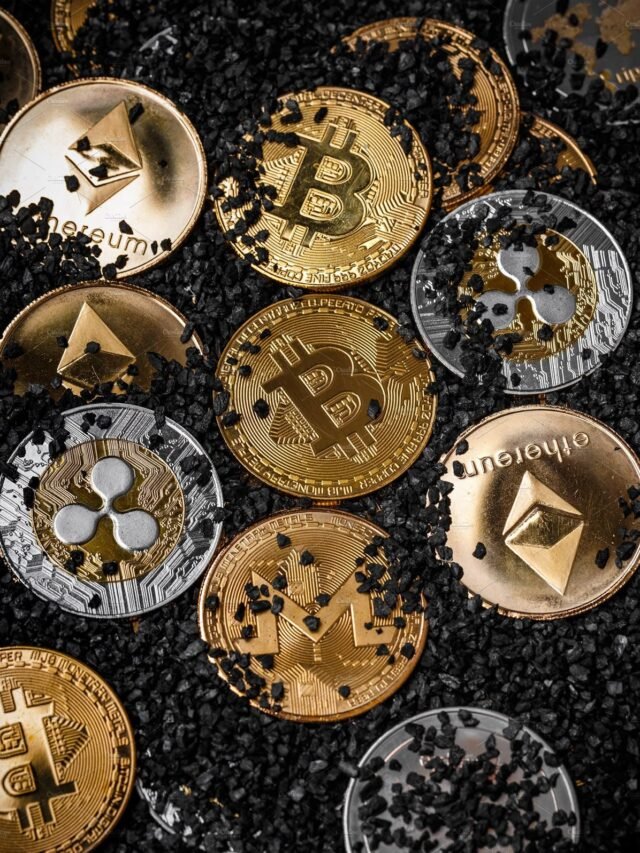
The possibility that Iran could demand cryptocurrency payments for oil shipping tolls marks a significant shift in global trade dynamics. This idea goes far beyond a simple payment change. It reflects how geopolitical pressure, economic isolation, and technological evolution intersect in today’s world.
Iran stands at the center of one of the most critical maritime routes on the planet. By combining that geographic advantage with digital currencies, it could reshape how nations conduct energy trade and financial transactions.
The Strategic Importance of the Strait of Hormuz
The Strait of Hormuz functions as a lifeline for global energy markets. A substantial portion of the world’s oil supply travels through this narrow passage, linking the Persian Gulf to international waters. Any disruption in this corridor immediately affects oil prices, shipping schedules, and global economic stability.
Iran’s geographic position along this strait gives it natural leverage. Unlike many other countries, it does not need to create influence artificially. Control over this chokepoint already places it in a powerful position.
If Iran imposes tolls on ships passing through, it effectively monetizes that control. Every tanker that crosses becomes a source of revenue. This transforms the strait from a strategic asset into a direct economic engine.
Sanctions Pressure Drives Financial Innovation
Iran has faced extensive sanctions for years. These restrictions limit its ability to access international banking systems, conduct dollar-based transactions, and engage freely in global trade. Traditional financial channels expose transactions to monitoring, blocking, or seizure.
This pressure forces innovation.
Cryptocurrency offers a pathway around these restrictions. Digital assets operate on decentralized networks that do not rely on central authorities or traditional banks. Iran can receive payments without passing through systems that sanctions control.
This shift creates several advantages:
- Iran avoids reliance on Western financial infrastructure
- It reduces the risk of frozen assets
- It gains greater autonomy over its financial flows
Instead of depending on external systems, Iran builds a parallel financial channel that operates beyond conventional oversight.
Crypto Enables Faster and More Flexible Transactions
Shipping operations depend heavily on timing. Delays cost money, disrupt supply chains, and create uncertainty in global markets. Traditional payment systems often involve multiple intermediaries, compliance checks, and processing delays.
Cryptocurrency changes that dynamic.
Transactions can move directly between parties, often within minutes. Iran could receive toll payments quickly and grant passage without prolonged administrative processes. This efficiency benefits both sides:
- Iran secures immediate payment
- Shipping companies reduce waiting time
- Trade flows remain more consistent
In a high-stakes environment like the Strait of Hormuz, speed becomes a major advantage.
Creating a New Revenue Model
Iran’s economy relies heavily on oil exports, but sanctions limit how much it can sell and to whom. By introducing tolls, Iran shifts from being only a supplier of oil to becoming a controller of transit.
This creates a new revenue stream that does not depend on selling resources. Instead, it depends on location.
Every ship that passes through the strait could pay a fee. Over time, this could generate substantial income, especially if global demand for oil remains high. Even small fees per barrel or per vessel can accumulate into billions annually.
This model provides diversification:
- Less dependence on direct oil sales
- More stable income from transit
- Increased resilience against sanctions
It transforms geography into a monetized asset.
Strengthening Geopolitical Influence
Economic power often translates into political leverage. By controlling access to a critical trade route and requiring crypto payments, Iran gains new tools to influence global dynamics.
It can decide:
- Which ships receive priority passage
- How much different countries pay
- When to tighten or relax restrictions
This flexibility allows Iran to align economic decisions with political objectives. It can reward allies and pressure rivals without direct confrontation.
Such control elevates its role in global affairs. Instead of reacting to international pressure, it creates pressure points of its own.
Challenging the Dominance of the US Dollar
The global financial system relies heavily on the US dollar. Most international trade, especially oil transactions, occurs in dollars. This system gives the United States significant influence over global finance.
Iran’s adoption of cryptocurrency challenges that structure.
By accepting digital currencies or alternative payment methods, Iran reduces its dependence on the dollar. This move aligns with a broader trend where some countries explore ways to diversify away from dollar-based systems.
If other nations follow similar approaches, the long-term impact could include:
- Reduced dominance of traditional financial systems
- Increased adoption of decentralized currencies
- Greater fragmentation of global payment networks
Iran’s strategy could act as a catalyst for this shift.
Legal and Diplomatic Implications
The introduction of tolls in a major international waterway raises complex legal questions. International norms generally support free passage through such routes. Imposing fees could challenge these principles and create tensions.
Countries that rely on the strait for energy imports may oppose the move. Shipping companies may face difficult choices between compliance and legal risk. Insurers may increase costs due to uncertainty and potential conflict.
This situation creates a delicate balance:
- Iran seeks economic benefit and autonomy
- Other nations seek stability and free navigation
- International law faces new tests
The outcome depends on how far Iran pushes this strategy and how strongly other countries respond.
Risks for Global Trade and Shipping
While crypto tolls offer advantages for Iran, they introduce new complexities for global trade.
Shipping companies must consider:
- Regulatory compliance across multiple jurisdictions
- Volatility in cryptocurrency values
- Security concerns in a politically sensitive region
Operational costs may increase as companies adapt to new payment systems and risk factors. Some may choose alternative routes, even if they are longer or more expensive.
These changes could ripple through global markets, affecting oil prices, supply chains, and economic stability.
Crypto as a Tool of State Power
The use of cryptocurrency in this context signals a broader transformation. Digital assets no longer serve only as investment vehicles. Governments now recognize their strategic potential.
Iran’s approach illustrates how crypto can function as:
- A financial workaround under sanctions
- A mechanism for asserting independence
- A tool for reshaping economic relationships
This development suggests that future conflicts and negotiations may increasingly involve digital currencies alongside traditional resources.
Conclusion
Iran’s potential decision to demand cryptocurrency for oil shipping tolls reflects a calculated response to pressure and opportunity. Sanctions pushed it to seek alternatives. Geography gave it leverage. Technology provided the means to act.
By combining these elements, Iran positions itself at the intersection of energy, finance, and geopolitics. The move challenges established systems and introduces new possibilities for global trade.
If this model gains traction, it could redefine how nations use both physical and digital assets to exert influence. The Strait of Hormuz may not just remain a vital energy route. It could become a symbol of a new era where control over trade meets the rise of decentralized finance.
Also Read – Why 2026 Could Create the Next Stock Market Millionaires