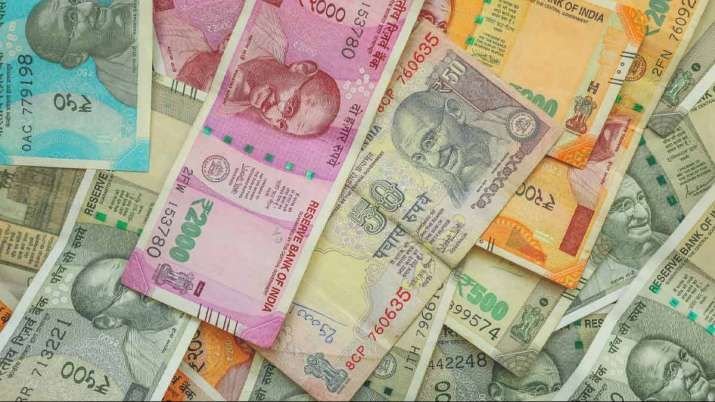
India’s central bank has taken major steps to protect the rupee from sharp pressure in the global market. The Reserve Bank of India, also known as the RBI, now uses a large amount of forex tools to control sudden falls in the Indian currency. Reports say these forex operations have crossed the $110 billion mark. This number shows how serious the situation has become for the Indian rupee against the US dollar.
Why the Rupee Faces Pressure
The rupee has faced pressure for many months. A strong US dollar, high crude oil prices, and global uncertainty have all hurt emerging market currencies. India, which imports a large amount of crude oil, often faces extra pressure when oil prices rise. Higher oil prices increase dollar demand because Indian companies need more dollars to pay for imports. This creates weakness in the rupee.
The RBI does not want sudden and sharp moves in the currency market. Large falls in the rupee can increase inflation and create fear among foreign investors. Because of this, the central bank has entered the market many times to support the Indian currency.
Forex Operations Cross $110 Billion
The latest reports show that the RBI has used forex swaps, dollar sales, and other liquidity tools at a very high level. The total value of these operations has crossed $110 billion. This is one of the strongest currency defense efforts seen in recent years.
The forex market plays an important role in every economy. It helps countries trade goods and services with the rest of the world. When the local currency becomes weak, imports become expensive. India imports crude oil, electronics, machinery, and many other products from foreign countries. A weak rupee increases the cost of these goods inside India.
RBI Uses Dollar Sales to Support INR
The RBI wants to avoid this situation. The central bank has therefore used several methods to reduce pressure on the rupee. One important method includes direct dollar sales from India’s foreign exchange reserves. When the RBI sells dollars in the market, the supply of dollars rises. This action helps control panic and supports the rupee.
India still has strong forex reserves. Recent reports place India’s foreign exchange reserves at nearly $682 billion. This gives the RBI enough power to enter the market when needed. Experts believe these reserves give confidence to investors because India can manage short-term currency pressure without major trouble.
Forex Swaps Become a Key Tool
Another important tool includes forex swaps. In a forex swap, the RBI exchanges dollars and rupees with banks for a fixed period. This system helps manage liquidity in the banking sector and keeps the market stable. The central bank has used this tool heavily in recent months.
The RBI has also announced measures to attract more foreign money into India. These steps include easier rules for foreign investors who buy Indian government bonds. The central bank and the government also support foreign currency deposits from non-resident Indians. Such moves can increase dollar inflows into the country.
Foreign Inflows Help the Currency Market
When more dollars enter India, pressure on the rupee becomes lower. Foreign investment also supports stock markets and bond markets. This creates a more stable financial environment for the country.
The US dollar has remained very strong across global markets. High interest rates in the United States have attracted global investors toward dollar assets. Many investors moved money from emerging markets into safer US assets. This trend created weakness in many Asian currencies, including the Indian rupee.
Global Uncertainty Adds More Challenges
Geopolitical tensions have also increased market fear. Global investors usually prefer safe assets during uncertain periods. This often supports the dollar and hurts riskier currencies. The RBI therefore faces a difficult challenge in the currency market.
Despite these pressures, the rupee has shown some recovery after the RBI’s recent measures. Traders say the central bank’s actions have reduced panic in the market. The rupee recently posted one of its strongest gains in nearly two months after the new support measures became public.
RBI Focuses on Stability
Many market experts believe the RBI prefers stability instead of sharp currency moves. The central bank may allow small changes in the rupee but does not support sudden weakness. This strategy helps businesses plan imports and exports with greater confidence.
India’s economy remains one of the fastest-growing major economies in the world. Strong domestic demand, government spending, and infrastructure growth continue to support economic activity. However, currency stability remains important because global investors closely watch emerging market risks.
Inflation Risks Remain Important
The RBI also wants to control inflation. A weak rupee can increase fuel prices and import costs. Higher fuel prices can raise transport and food costs across the economy. This can hurt household budgets and slow consumer demand.
Instead of raising interest rates sharply, the RBI has chosen a different path. The central bank now relies more on forex management tools and liquidity measures. This approach allows the RBI to support growth while also protecting the currency.
India Uses a Different Strategy
Analysts say India’s strategy differs from some other countries that depend heavily on interest rate hikes. India currently uses a mix of reserves, swaps, foreign inflow support, and market intervention to handle currency pressure.
The crossing of the $110 billion mark shows the scale of these efforts. It also shows how active the RBI has become in the forex market. Experts believe the central bank may continue such measures if global uncertainty remains high.
Oil Prices and Global Markets Stay Critical
Crude oil prices remain another major concern for India. If oil prices rise further, dollar demand inside India could increase again. This may place fresh pressure on the rupee. Much depends on global energy markets and US monetary policy in the coming months.
Foreign investors will also watch India’s fiscal position, inflation trend, and economic growth data. Strong economic numbers can help the rupee stay stable over time. Continued inflows into bonds and equities may also support the currency.
RBI Prepared for More Action
For now, the RBI appears fully prepared to defend the rupee against sharp volatility. The central bank has large reserves and several policy tools available. Market participants believe the RBI will continue active intervention whenever needed.
The latest developments clearly show that India wants to maintain financial stability during a difficult global period. The crossing of the $110 billion level in forex operations reflects the scale of India’s currency defense strategy. While challenges remain, the RBI’s strong response has helped calm the market and support confidence in the Indian economy.
Also Read – Why Some IPOs Crash After Listing